Celebrity

Barbara Roufs: Biography, Death, Daughter, Net Worth & 1973 PDA Queen Legacy

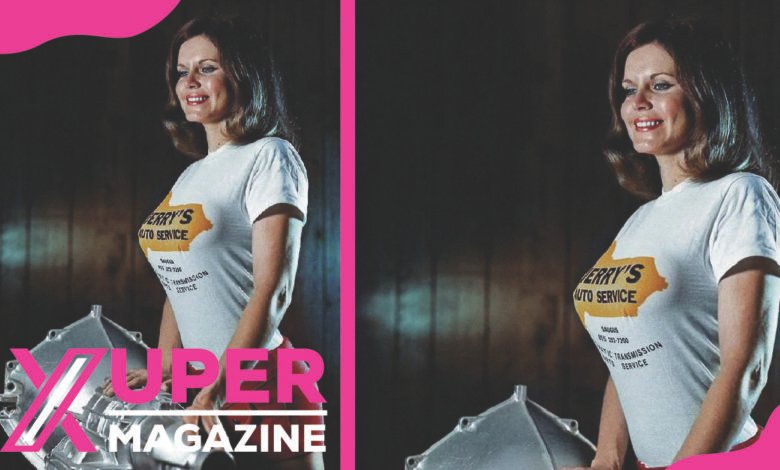
Barbara Roufs was one of the most unforgettable faces of 1970s American drag racing. Known as a glamorous trophy girl and crowned the 1973 Professional Dragster Association (PDA) Queen, she became a symbol of a powerful era in motorsports history. This detailed Barbara Roufs biography explores her life, career, and legacy, answering the most searched questions about Barbara Roufs age, Barbara Roufs death, Barbara Roufs daughter, and Barbara Roufs net worth. More than just a trophy girl, Barbara Roufs represented a cultural shift in racing. She brought confidence, style, and professionalism to an industry that was largely male-dominated.

Her long brown hair, go-go boots, and warm smile became part of the golden image of California drag strips. Even decades after her passing in 1991, fans still search for her story and collect her iconic photographs. This article covers her early life, rise to fame, personal life, tragic death, and lasting impact on motorsports culture in the United States.

Who Was Barbara Roufs?

Barbara Roufs was an American drag racing trophy girl who rose to fame in the late 1960s and early 1970s. She became widely recognised after being crowned the 1973 PDA Queen at major racing events in California. Her place in 1970s drag racing was special because she represented both glamour and confidence during a time when the sport was rapidly growing. She became iconic not only for her beauty but for her presence. Unlike earlier trophy girls who wore formal gowns, Barbara embraced the bold, modern fashion of the 1970s. Her cultural significance goes beyond racing because she helped change how women were viewed in motorsports.

Many people today confuse rumours about her family and finances, but reliable records confirm her importance as a racing queen and cultural figure of that era.

Early Life and Family Background

Barbara Roufs was born around 1944 in California and grew up in the Fresno and Clovis area. During the 1950s and 1960s, California had a strong car culture. Drag strips, local races, and car clubs were popular forms of entertainment. This environment shaped her interest in motorsports from a young age. Her father, Wayne Eldon Riley, loved motorcycles and racing. Her mother, Thelma Ruby Riley, owned a beauty salon and was active in church music. Barbara also had siblings, including Vivian Deaton, James Riley, Bruce Riley, and an adopted brother, Ben Gube. Growing up in a busy and energetic household helped her build confidence and social skills. The mix of beauty, performance, and racing culture influenced her future path.

Education and Youth Years

Barbara Roufs spent her teenage years in California during a time when car culture, music, and fashion were rapidly evolving. She attended local schools in the Fresno and Clovis area, where she was known for her outgoing personality and natural confidence. While there are limited official records about her higher education, people who knew her described her as intelligent, poised, and socially active. She enjoyed community events, fashion, and public gatherings — experiences that helped her feel comfortable in front of large crowds later in life. Growing up in the 1950s and early 1960s, Barbara was surrounded by drive-in theatres, hot rod shows, and local racing events. These cultural influences shaped her youthful energy and bold style.

She developed strong communication skills and self-confidence, qualities that later made her shine in the fast-paced world of drag racing. Her youth was not just about beauty — it was about developing the charm, discipline, and stage presence that would define her public image.

Barbara Roufs and the Golden Era of Drag Racing

The late 1960s and early 1970s were considered the golden era of American drag racing. It was a time of roaring engines, colourful race cars, packed grandstands, and electric excitement. Tracks like Orange County International Raceway (OCIR) became major entertainment hubs where families, fans, and sponsors gathered every weekend. Drag racing was no longer just a sport — it was a cultural event. Barbara Roufs entered the racing scene at the perfect moment. As the Professional Dragster Association (PDA) Championships gained popularity, trophy queens became a key part of the show. They represented glamour, celebration, and public appeal. Barbara’s presence matched the bold spirit of this era.

She was not simply standing beside race cars; she became part of the identity of California drag racing. Her image blended speed, style, and showmanship, making her one of the most recognised faces of that exciting period in motorsport history.

The Role of Trophy Girls in the 1960s and 1970s

Trophy girls played an important and highly visible role in drag racing during the 1960s and 1970s. In the early years, they wore long gowns and traditional outfits, presenting awards with elegance and formality. However, as American culture shifted toward freedom and self-expression in the 1970s, their image evolved dramatically. The fashion became bold and modern — mini shorts, fitted tops, high boots, and long flowing hair replaced older styles. Trophy girls became symbols of energy and youth. They helped attract media coverage, sponsors, and larger crowds. While some people saw them only as glamorous additions, their presence helped market the sport and create a complete entertainment experience.

Barbara Roufs stood out during this transformation. She represented confidence and modern femininity at a time when women were beginning to challenge traditional roles in many industries, including motorsports.

Barbara Roufs’ Rise to Fame

Barbara Roufs’ rise to fame was both natural and powerful. When she began appearing at major drag racing events in California, fans immediately noticed her radiant smile, strong stage presence, and relaxed confidence. Her ability to connect with crowds and drivers made her more than just a ceremonial figure. Her nomination and later crowning as the 1973 Professional Dragster Association Queen marked the peak of her public recognition. Winning the PDA title placed her at the centre of the racing spotlight. Photographers eagerly captured her image, and her photos began circulating widely in racing magazines and promotional materials.

Her fame was not built on controversy or publicity stunts. It grew because she represented the spirit of the era — bold, modern, and full of life. Fans admired her not just for her beauty but for the way she carried herself with grace and professionalism.

Barbara Roufs’ Style, Appearance, and 1970s Fashion Influence

Barbara Roufs became a visual icon of 1970s drag racing fashion. Her long brown hair flowed freely in the California sun, and her signature go-go boots and mini shorts perfectly matched the bold trends of the decade. Her look reflected the freedom and creativity of the time. Unlike earlier trophy girls who followed strict dress codes, Barbara embraced the vibrant energy of the 1970s. Her outfits were stylish yet playful, confident yet approachable. She stood tall beside powerful race cars, blending glamour with horsepower. Her body language showed self-assurance — shoulders back, smile bright, posture strong.

Her appearance became symbolic of a larger cultural shift. She represented modern femininity in a male-dominated sport. Even decades later, her photographs capture the bold spirit of 1970s America. Barbara Roufs did not just wear the fashion of the era — she helped define it within the world of drag racing.

Photographer Tom West and Iconic Racing Images

Photographer Tom West played a powerful role in preserving Barbara Roufs’ legacy. His vibrant trackside photos captured her standing beside roaring dragsters, smiling confidently in the California sun. These images were more than simple event pictures — they became timeless pieces of racing history. Today, vintage collectors and drag racing fans value these photographs because they represent the golden era of 1970s motorsports. Through West’s lens, Barbara’s charm and bold style were frozen in time.


Marriage and Personal Life

Barbara Roufs embraced her married life with the same quiet strength and elegance that defined her public image. After taking the Roufs surname, she chose to keep her personal world away from the spotlight, even while standing at the centre of California’s vibrant drag racing scene. Unlike many figures connected to fame, Barbara did not chase media attention beyond the racetrack. She believed in balance — shining confidently at racing events while protecting the peace of her home life. Friends and acquaintances described her as warm-hearted, thoughtful, and deeply family-oriented. Despite the long weekends, loud engines, and busy event schedules, she remained grounded and devoted to her loved ones.

Her ability to manage both public admiration and private responsibility showed remarkable maturity. Barbara’s personal life was not built on headlines or controversy, but on stability, kindness, and quiet dignity — qualities that made her even more admired by those who truly knew her.

Barbara Roufs’ Daughter and Family Legacy

Barbara Roufs’ greatest pride was her role as a mother. She had one daughter, widely identified as Jet Dougherty, who later spoke lovingly about her mother when vintage racing photographs began circulating online decades later. This emotional rediscovery allowed fans to see a deeper side of Barbara — not just the glamorous 1970s racing queen, but a joyful, caring, and devoted parent. Her daughter’s reflections painted a beautiful picture of a woman who valued happiness, warmth, and family above all else. The resurfaced images did more than revive nostalgia; they strengthened a personal legacy rooted in love and memory.

Today, Barbara’s family legacy continues quietly and respectfully, centred on pride rather than publicity. Her story reminds us that behind every public icon is a private life filled with meaningful relationships and lasting bonds.

Barbara Roufs’ Age, Height, and Physical Profile

Born around 1944, Barbara Roufs was 47 years old at the time of her passing in 1991. She stood about 5 feet 5 inches tall and was known for her slim figure, long brown hair, and bright smile. Her confident posture and natural elegance made her stand out beside powerful race cars, creating a perfect balance of strength and beauty.

Barbara Roufs’ Net Worth and Financial Success

There are no verified public records confirming Barbara Roufs’ exact net worth. During her peak years, she earned income from racing appearances, modelling, and promotional work. While some online claims exaggerate her wealth, it is more accurate to say her true value lies in her cultural impact. Her photographs and racing legacy continue to hold nostalgic and historical worth.

The Tragic Death of Barbara Roufs

Barbara Roufs passed away in January 1991 at the age of 47. Some reports suggest her death may have been suicide, but official confirmation remains limited. Her passing deeply saddened the racing community. Today, her story is remembered with respect, focusing on her contributions rather than speculation about her final days.

Mental Health Awareness and Public Figures in the 1990s

In the early 1990s, mental health discussions were far less open than they are today. Many public figures faced struggles privately due to social stigma. Barbara’s story reminds us how important compassion and understanding are. Modern awareness encourages empathy and respect for families who choose to keep sensitive matters private.

Cultural Impact on Women in Motorsports

Barbara Roufs helped change how women were viewed in drag racing. She showed that women could represent the sport with confidence, professionalism, and strength. Her presence during the 1970s reflected a broader social shift, where women were challenging traditional roles. She became a symbol of independence in a male-dominated environment.

Barbara Roufs’ Influence on Motorsport Marketing

Barbara’s image helped attract sponsors, fans, and media attention. Her confident style blended glamour with professionalism, making racing events more appealing to a wider audience. She demonstrated how personality and presentation could enhance the sport’s public image, influencing how motorsport events are promoted even today.

Where Is Barbara Roufs Remembered Today?

Barbara Roufs is remembered through vintage racing websites, collector archives, and drag racing forums. Social media has reintroduced her to new generations of fans who admire classic motorsport culture. Her photographs remain powerful reminders of 1970s racing excitement and California car culture.

Myths, Rumours, and Misconceptions About Barbara Roufs

Over time, several rumours have appeared online about her net worth, family details, and cause of death. Some claims are exaggerated or unverified. Reliable information confirms she had one daughter and that official details about her death were never widely documented. Separating fact from rumour protects her historical legacy.

Barbara Roufs vs Other 1970s Trophy Queens

Many trophy queens appeared in the 1970s, but Barbara Roufs remains one of the most remembered. What made her different was timing, photography exposure, and her bold modern style. Her image became widely circulated, giving her lasting recognition beyond her active years.

Why Barbara Roufs Still Matters Today

Barbara Roufs still matters because she represents confidence, nostalgia, and feminine strength during a vibrant era of American racing. She symbolises a moment when drag racing blended speed, style, and cultural change. Her legacy reminds us that influence can extend far beyond a short public career.

Timeline of Barbara Roufs’ Life

1944 – Born in California
Late 1960s – Began involvement in drag racing
1973 – Crowned PDA Queen
January 1991 – Passed away
2000s–2020s – Legacy rediscovered through vintage photos

Conclusion

Barbara Roufs remains a lasting icon of 1970s American drag racing. She was more than a trophy girl; she helped shape the visual identity of a powerful era in motorsports. Her confidence, beauty, and professionalism changed how women were seen in racing culture. Even decades after her passing, her images continue to inspire nostalgia and admiration. Barbara Roufs represents a time when racing was bold, loud, and full of personality. Her legacy lives on through photographs, stories, and the lasting cultural memory of America’s golden age of drag racing.

FAQs

1. Who was Barbara Roufs?

Barbara Roufs was a famous 1970s American drag racing trophy girl who became widely known after being crowned the 1973 Professional Dragster Association (PDA) Queen. She was admired for her beauty, confidence, and strong presence at California race tracks. More than just a trophy girl, she became a symbol of the golden era of drag racing and helped shape how women were seen in motorsports during that time.

2. Why is Barbara Roufs considered an icon in drag racing?

Barbara Roufs is considered an icon because she represented a bold and modern image of women in 1970s drag racing. Her long hair, go-go boots, and confident personality captured the energy of the era. She stood out during a time when the sport was growing fast in popularity, and her photographs became lasting symbols of vintage racing culture.

3. Did Barbara Roufs have children?

Yes, Barbara Roufs had one daughter, commonly identified as Jet Dougherty. Years after Barbara’s passing, her daughter shared heartfelt memories when vintage racing photos resurfaced online. These reflections showed that behind the glamorous racing queen image was a loving and devoted mother who valued family deeply.

4. What happened to Barbara Roufs?

Barbara Roufs passed away in January 1991 at the age of 47. Some reports suggest her death may have been suicide, but there is no widely confirmed official public record stating the exact cause. Her passing deeply saddened the racing community, and today she is remembered with respect for her contributions to motorsports.

5. What was Barbara Roufs’ net worth?

There are no verified public records confirming Barbara Roufs’ exact net worth. During her peak years, she earned income from racing appearances and promotional work. While some online claims exaggerate her financial status, her true value lies in her cultural influence. Her legacy continues through iconic photographs and lasting admiration from racing fans.

You may also read: Julia Martinez Quinceañera: What Happened and the Heartbreaking Loss That Followed

Related Articles

Leave a Reply

Your email address will not be published. Required fields are marked *

Back to top button